
Study Overview
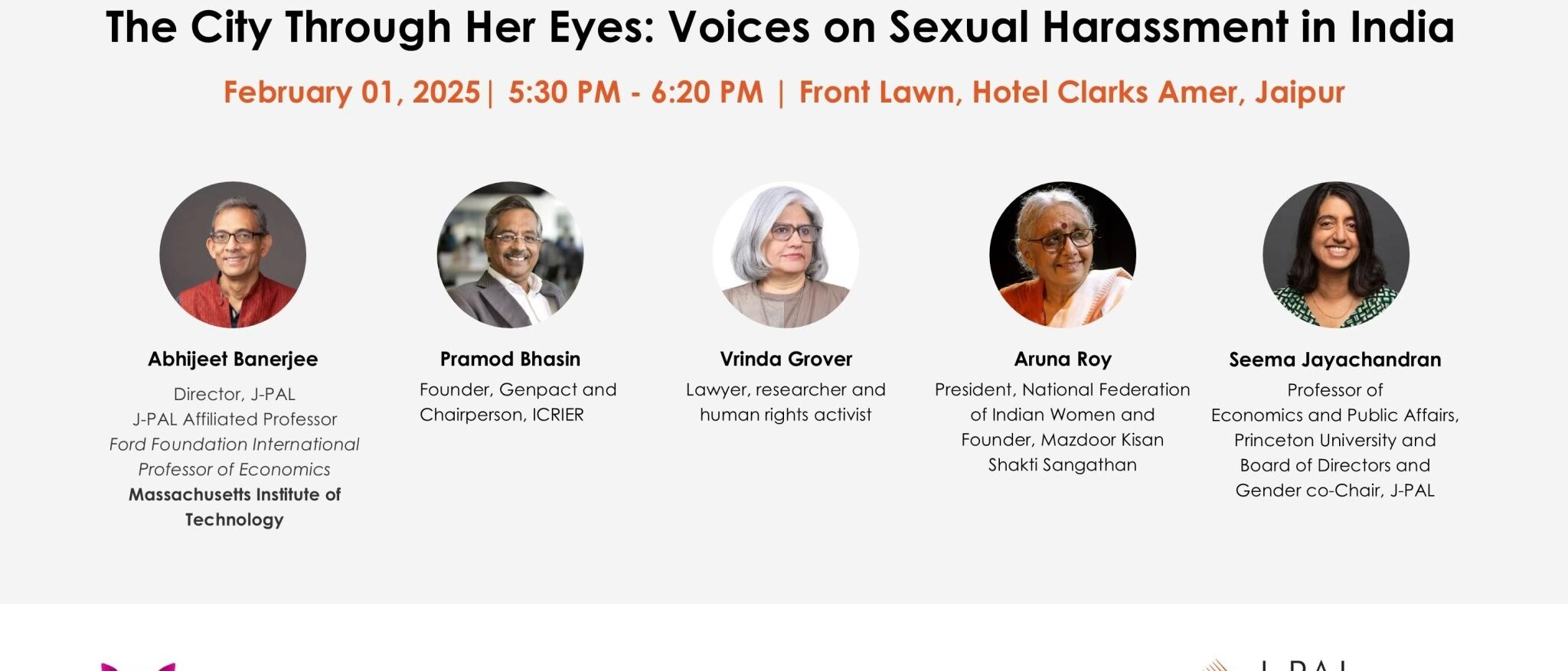
This study presents findings from a large-scale survey on sexual harassment in public spaces, conducted by Aparajita in collaboration with J-PAL South Asia, Pramod Bhasin, and Princeton University’s RPDE. The research was led by Lori Beaman, Seema Jayachandran, and Anisha Sharma.
Timeline
- Early 2024: Study design and survey instrument finalised
- May 2024 to May 2025: Field surveys conducted across three cities
- Mid-2025: Data cleaning, analysis, and synthesis
- August 2025: Findings consolidated and shared
Sample and Methodology
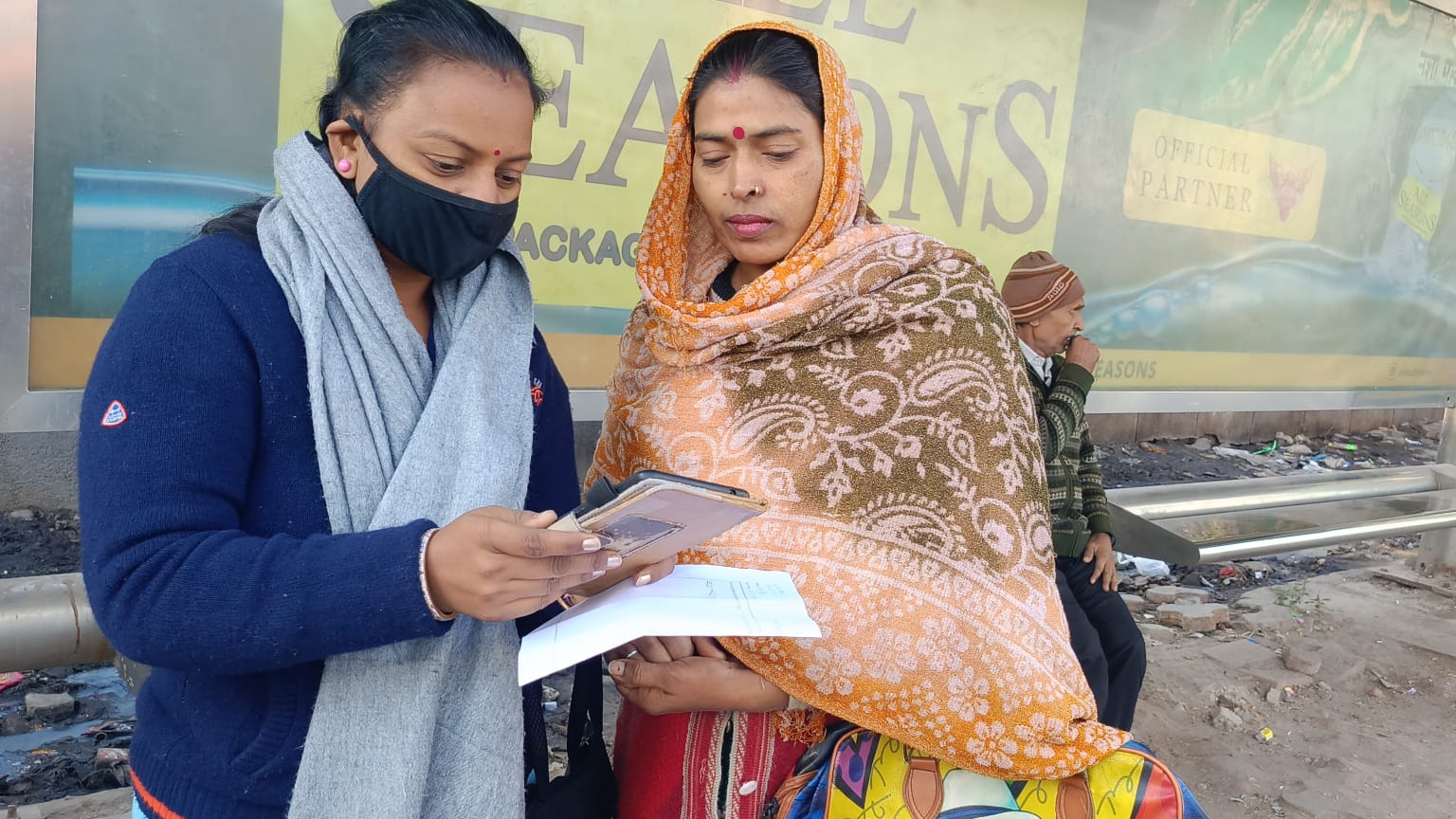
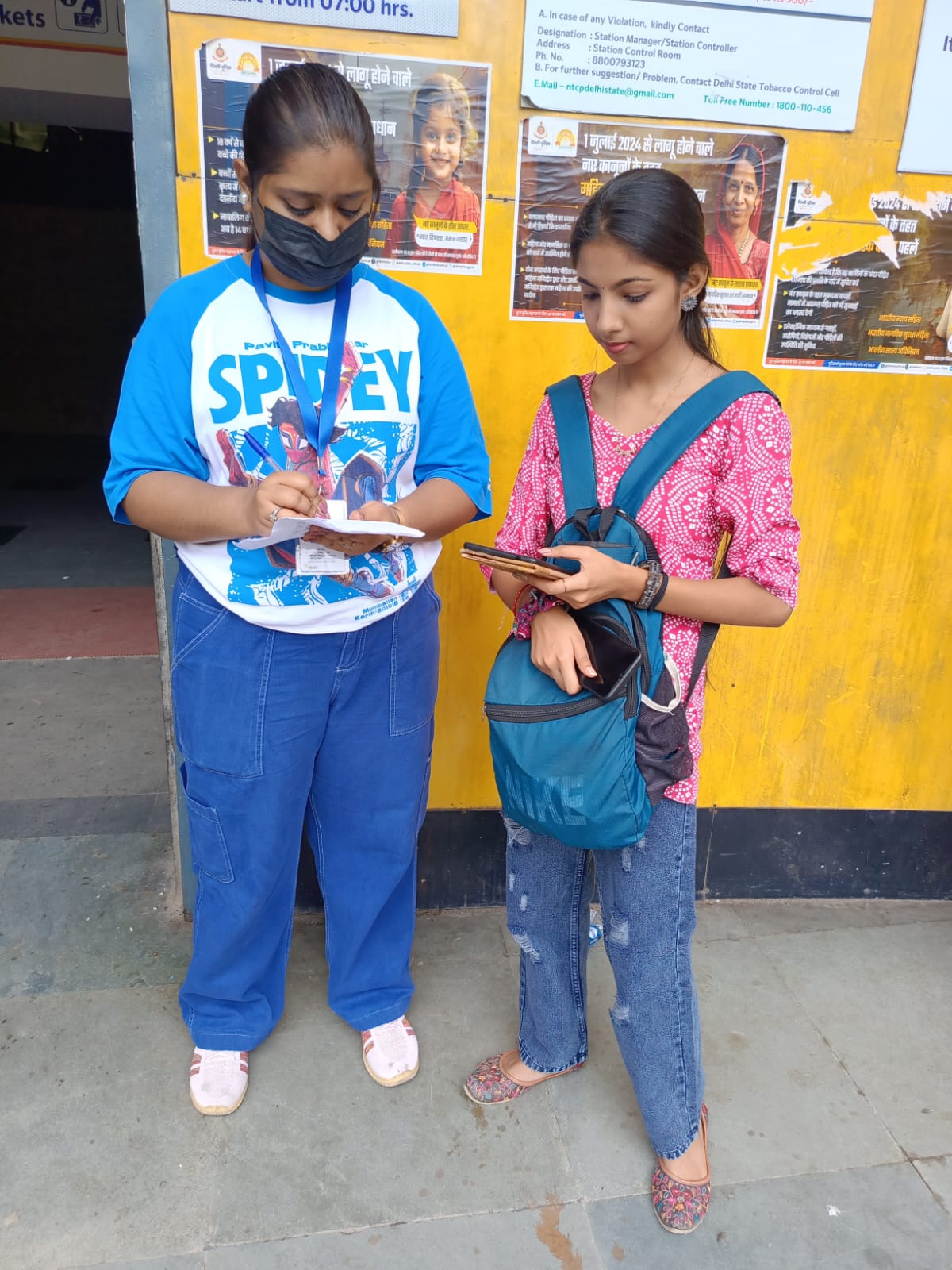
6,068 women were surveyed, aged 19 to 40 years, across Delhi, Bengaluru, and Jaipur. Surveys were conducted at bus stops, metro stations, and markets, with locations sampled to ensure geographic representation within each city. Each survey took approximately 10 minutes, no personal identifiers were collected, and the refusal rate was around 10%. College students were deliberately under-sampled to avoid overrepresentation.
 |
 |
Prevalence of Sexual Harassment
- Delhi: Nearly 2 in 3 women experienced sexual harassment in public spaces in the past year
- Jaipur: Nearly 1 in 2 women experienced harassment
- Bengaluru: About 1 in 3 women experienced harassment
Where and When Harassment Occurs
Most incidents occur in everyday public spaces — streets, public transport, and markets. A substantial share of harassment occurs during daytime hours, challenging common assumptions about risk.
Reporting and Redressal
68.7% of women did not file a formal complaint. Barriers include low trust in formal systems, fear of retaliation or stigma, and the perception that reporting will not lead to action.
Impact on Women’s Lives
Sexual harassment significantly affects women’s mental and emotional wellbeing, mobility, and economic and educational choices — including selecting lower-quality colleges, limiting job opportunities, and spending more on safer transport options.
Key Takeaway
The findings show that sexual harassment in public spaces is widespread and deeply embedded in everyday life, with lasting personal and economic consequences — highlighting the need for evidence-based, scalable interventions to make cities safer for women.